8th Generation Farm Family in Shelbyville, KY: Tucker Farms

Sugar Creek Ag • February 11, 2026

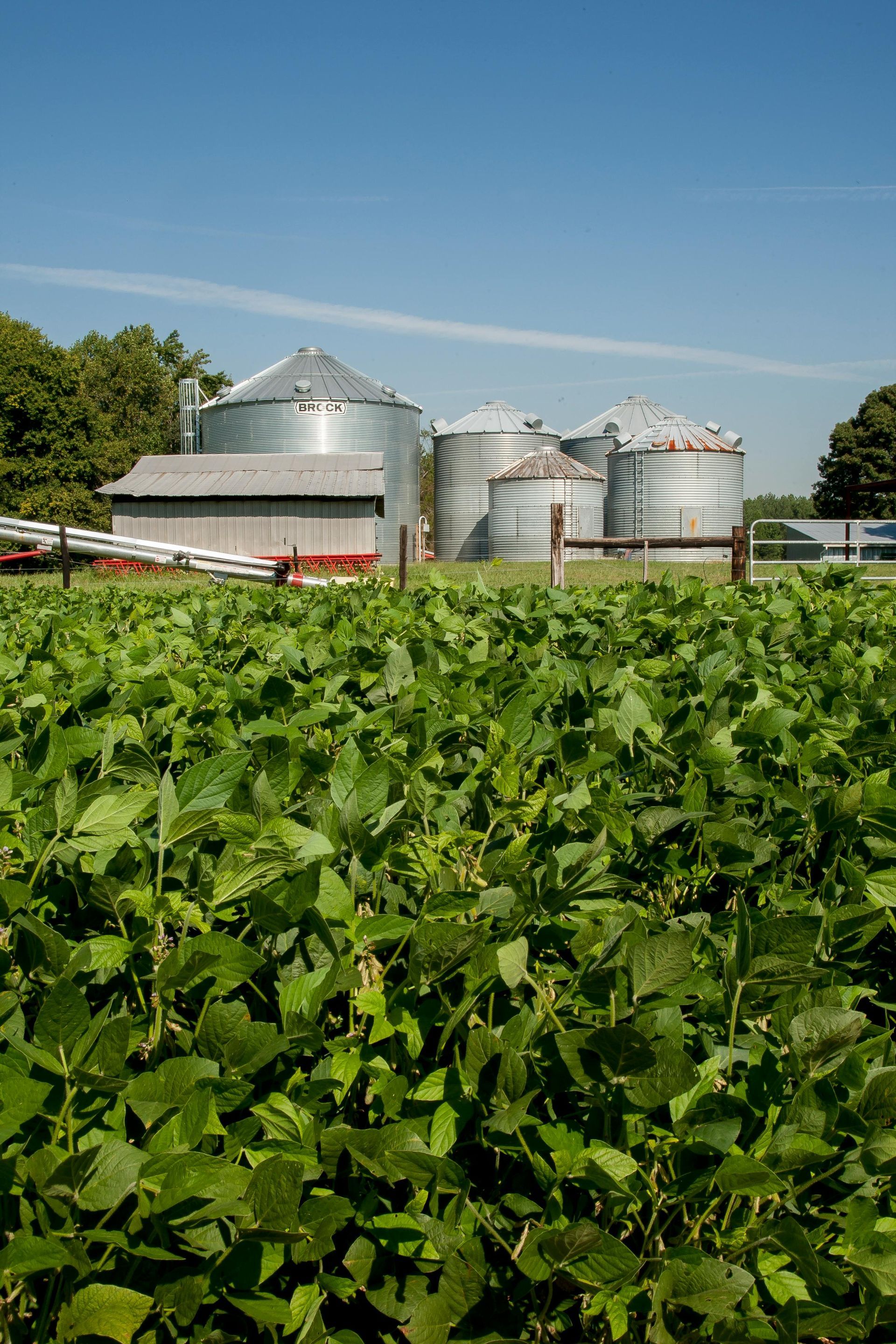
Ray and Stephanie Tucker and their son Nathan farm 5000 acres in north central Kentucky, an 8th generation farm family.

The attention to soil health has been there throughout. “My grandfather said we need to take care of the land so it can take care of us and future generations and that has been our focus. We utilize Earthquake Liquid Humic and Sweet ‘n’ Loam to help us achieve the yields we want.” 


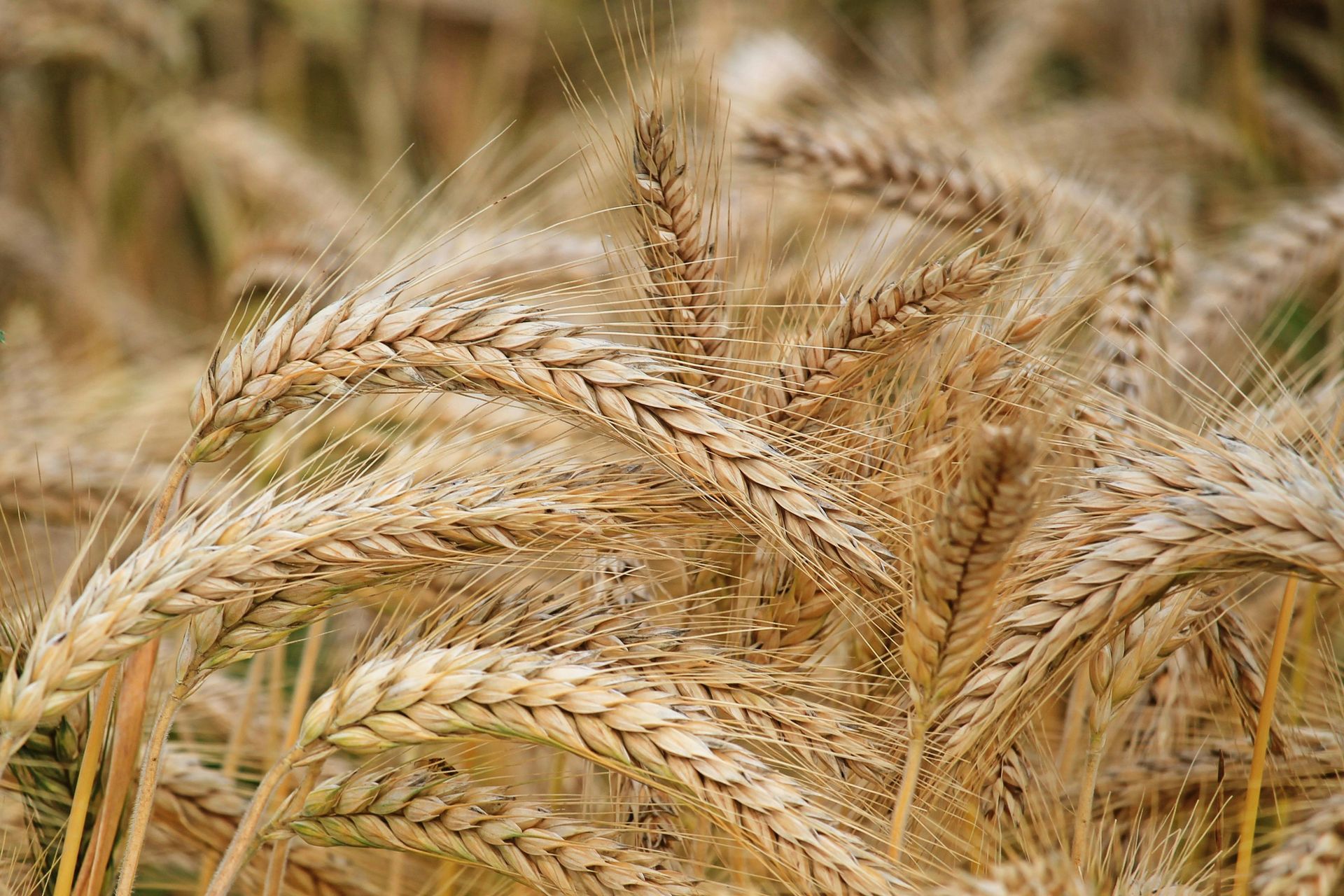
“The foliar products from Sugar Creek Ag allow us to push yields when conditions allow. We had some wheat last year that the insurance adjuster estimated was about 30 bushels, we pushed it throughout the season and it averaged well above 80 bushels!” 


The Tucker family is also very involved with The Battle of The Bluegrass Pulling Series, and you can find Ray and Nathan aboard “Blood, Sweat, and Gears” at the Full Pull Line!

By Sugar Creek Ag January 29, 2026
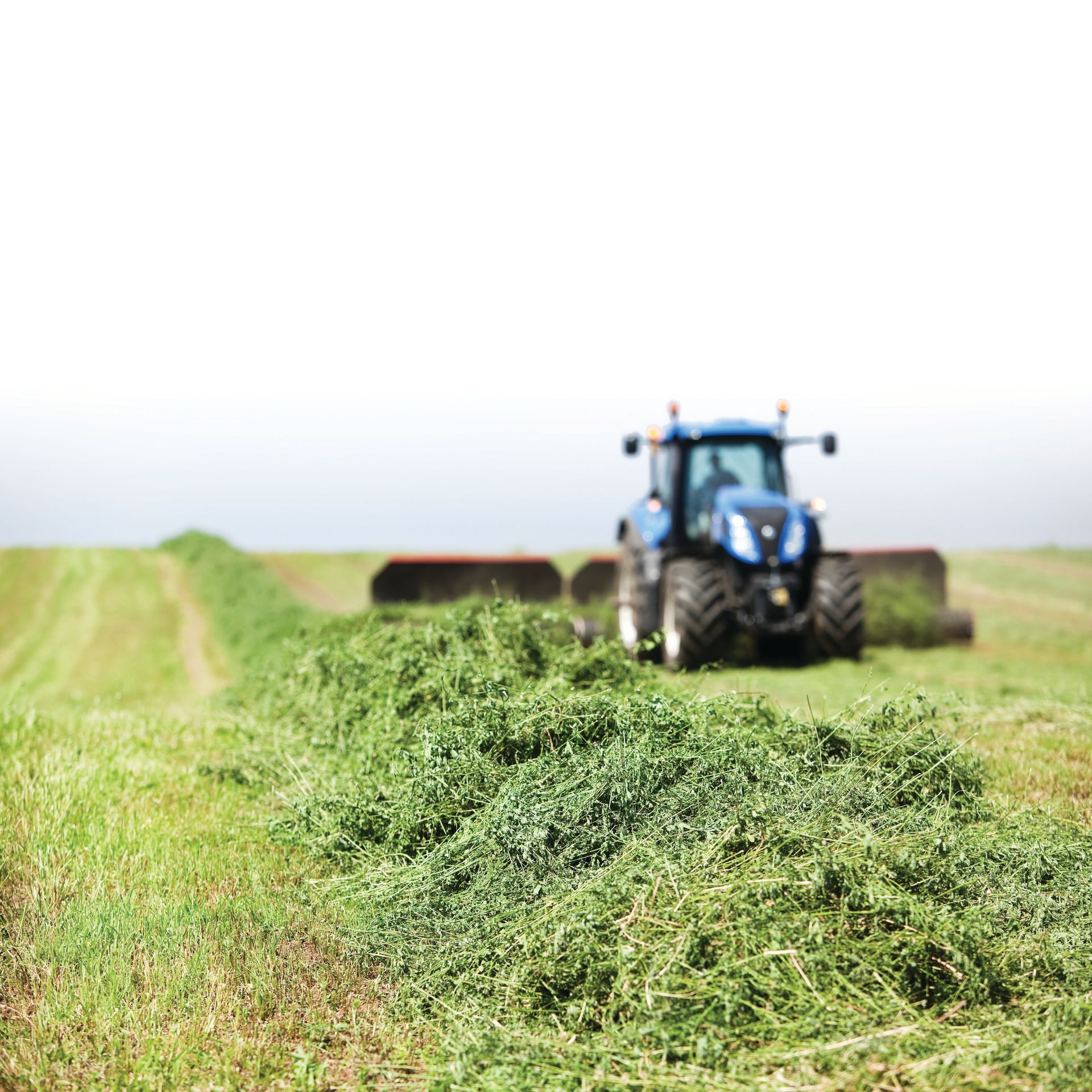
When it comes to grass hay and pasture production, early-season management sets the tone for the entire year. What happens at green-up influences stand density, forage response, nutrient efficiency, and ultimately how much you can get out of every acre. Building a strong forage program isn’t about chasing a single pass or product. It’s about supporting soil function, nutrient availability, and plant health from the start. If soil conditions or nutrient availability limit growth at green-up, those challenges can carry through the rest of the season and impact both yield and forage quality.  That’s why many hay and pasture growers focus on programs that support early nutrient efficiency and soil function — not fertilizer alone. In many hay and pasture systems, early fertility focuses heavily on nitrogen to drive growth. While nitrogen can increase biomass, it doesn’t always improve forage quality or feed value. Bigger plants don’t automatically mean better hay. In some cases, bulk without balance can lead to more waste and less efficient utilization.
By Sugar Creek Ag January 28, 2026
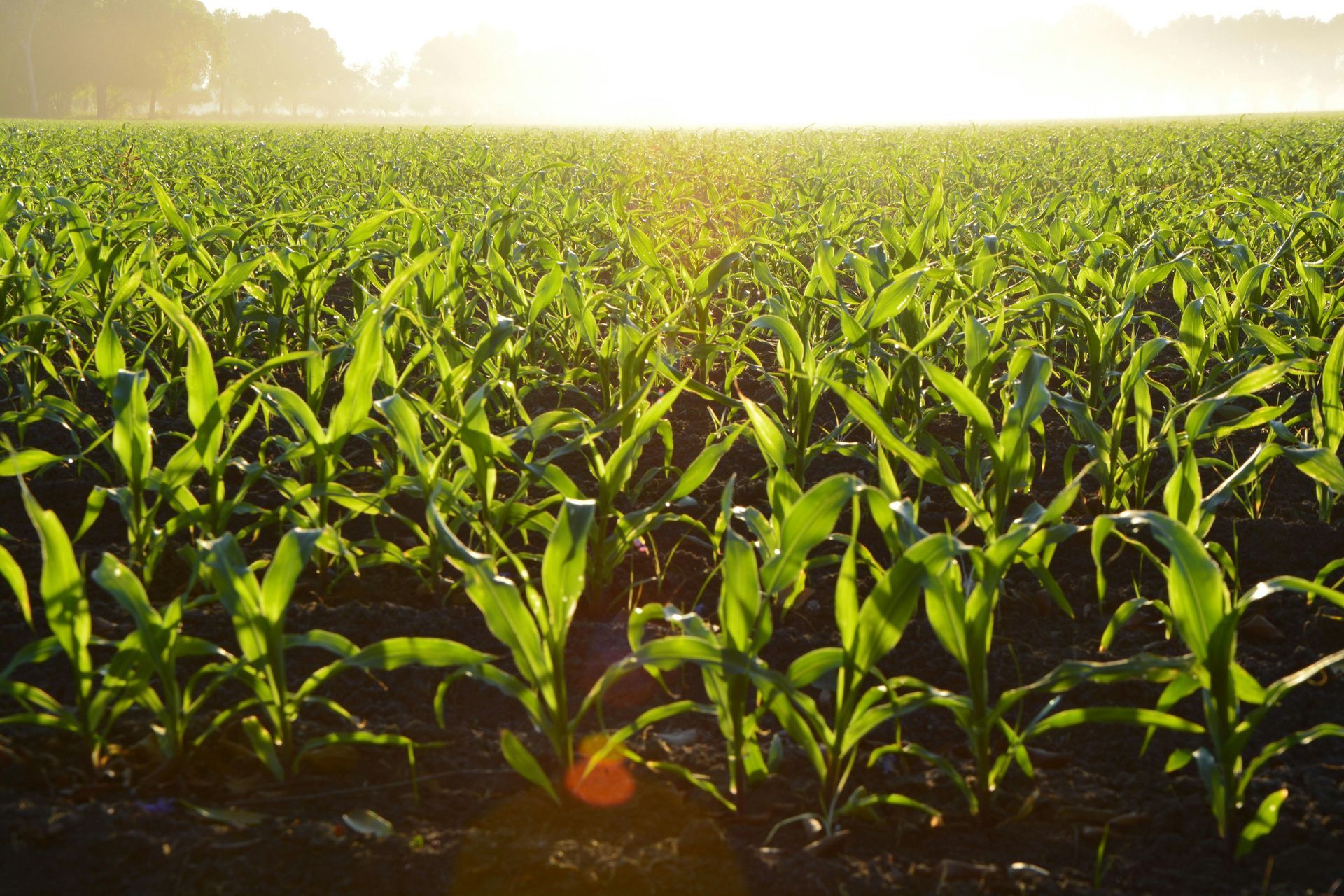
A crop may still require calcium even when soil pH is within the optimal range because soil pH alone does not indicate how much calcium is actually available to plants or how effectively it is taken up. While pH reflects soil acidity or alkalinity, it does not measure exchangeable calcium levels.
By Sugar Creek Ag January 8, 2026
Sugar-based nutrition helps feed soil microbes, fuel crops, and support nutrient efficiency during critical growth stages.
Show More