Todd and Trent Smith of Henderson, Texas operate 3S Cattle Company and have been working with Sugar Creek Ag products as part of their forage program. Upon leasing a new farm for hay production they knew some of the ground hadn’t been fertilized in several years.
This wasn’t a perfect season by any means. Still, the response surprised them.
One of the fields they reference in the video hadn’t seen a proper fertility pass in roughly three years. It used to be a top-producing farm, but over time, that slipped.
Then they made a change.
They ran across it with a balanced forage program including
EARTHQUAKE Liquid Humic,
Forage Factor,
Grenade,
Brimstone 17, and
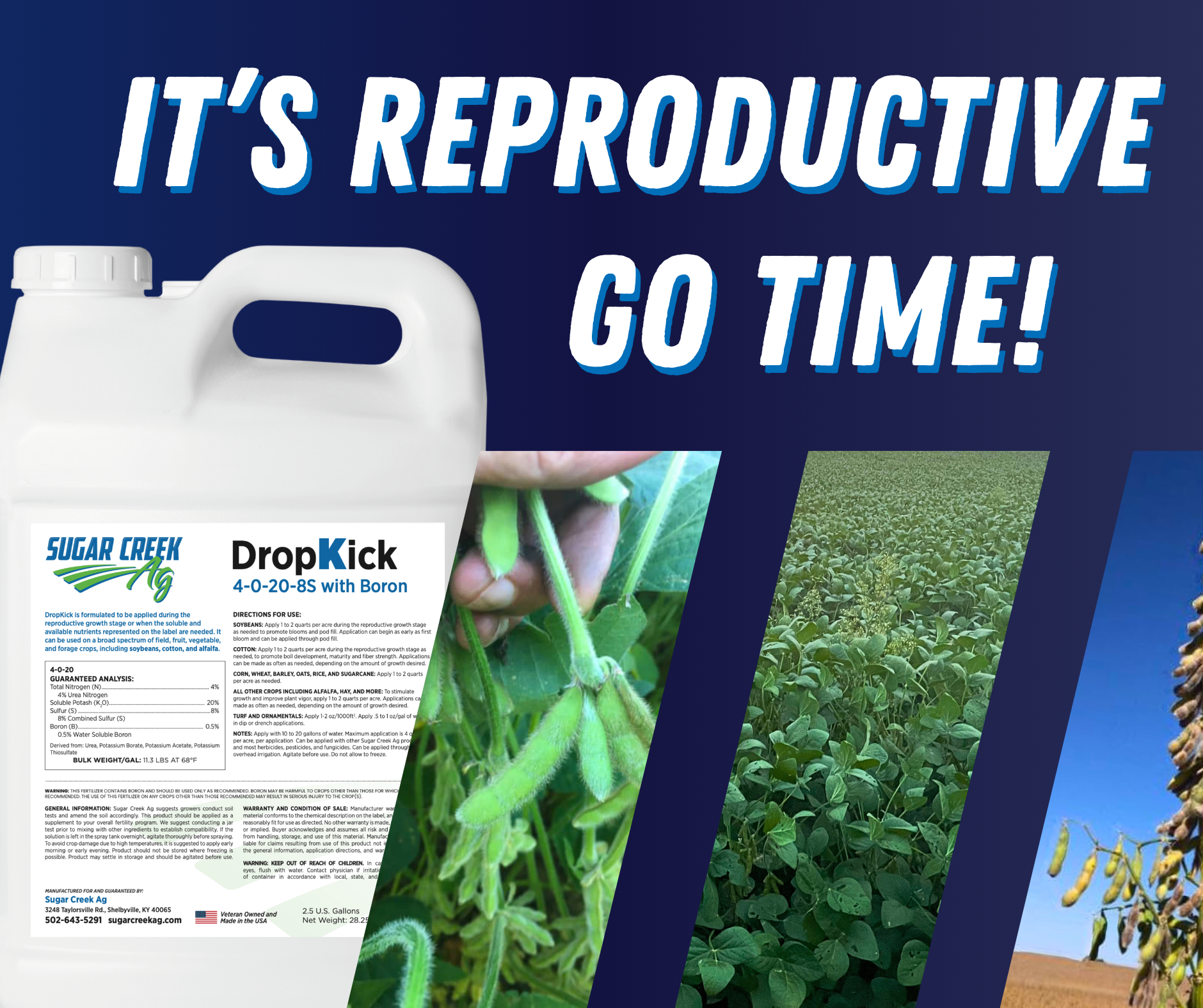
DropKick — addressing sulfur needs, potash levels, and supporting overall soil function.
“We ran across that ground with Forage Factor and EARTHQUAKE and Brimstone and DropKick… that field was a little low in sulfur and needed some potash — and I guess it's done a pretty good job, because we’ve had 16% hay out of it.”
Sixteen percent.
On ground that hadn’t been managed that aggressively in years.
Sometimes you wait a full season to see if the change made a difference. That wasn’t the case here.
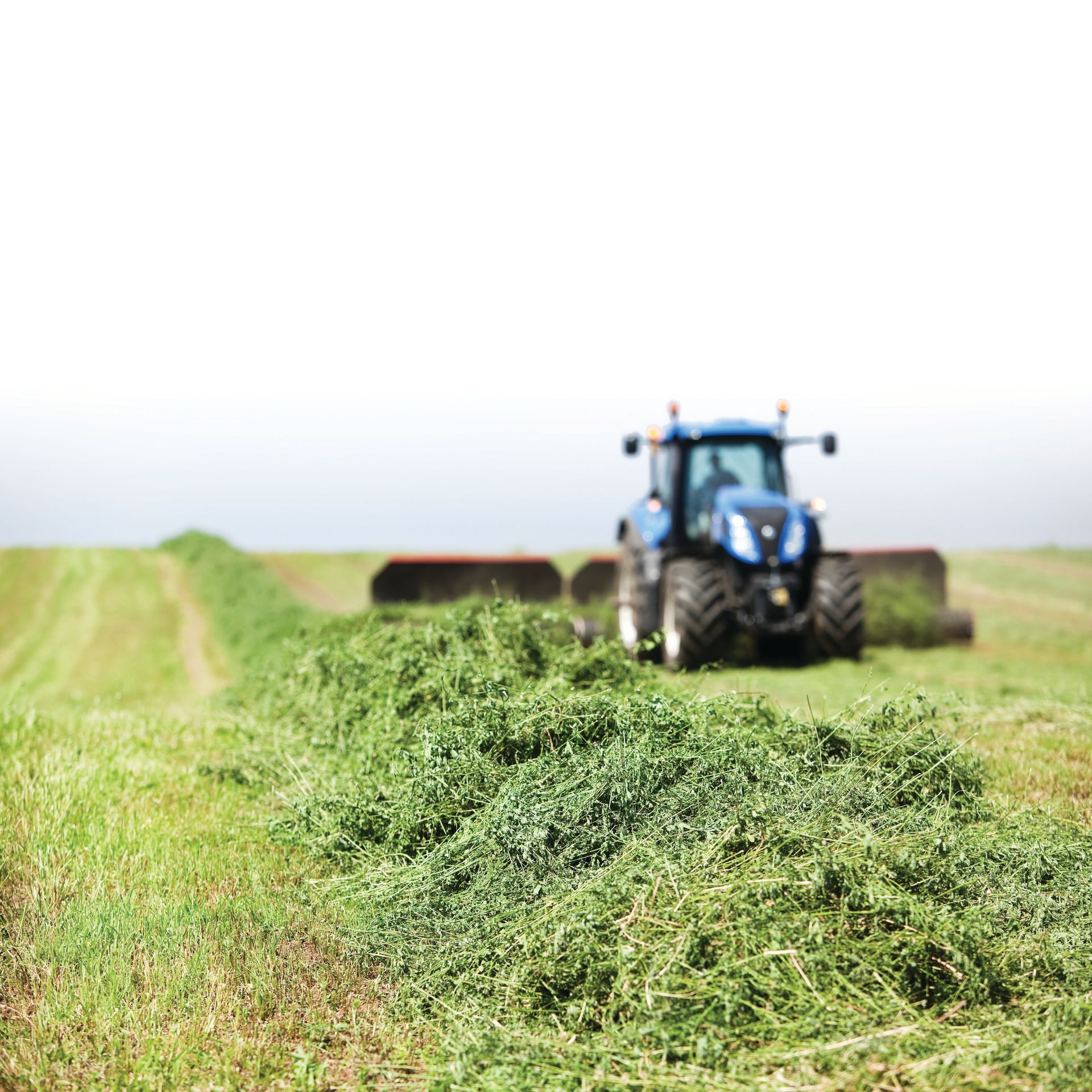
“All this hay behind us was all Sugar Creek fertilized — and it’s done tremendously well on our first cut…We’ve had 16% hay out of it. Our second cutting was a little better than our first cutting, and we’re making a pretty good third cutting here late in the year.”
The results didn’t just stay in the field, they showed up in the Rusk County Hay Producer competition.
“Trent finished this year third in the show and I finished seventh. Trent’s hay tested over 16%, and it’s really high-quality, premium type hay.”
What Made the Difference?
EARTHQUAKE Liquid Humic is designed to support soil health and improve nutrient availability. In grass hay and pasture programs, that can translate into stronger early growth, improved nutrient uptake, and more consistent performance from cutting to cutting — especially when conditions aren’t ideal.
For Todd and Trent, it wasn’t about chasing a miracle. It was about building a program that addressed deficiencies and supported the soil. And the field responded.
If you’re looking at your hay or pasture acres and wondering how to improve nutrient efficiency and overall performance, it may be time to rethink the program — not just the product.
Reach out to Sugar Creek Ag to learn more about incorporating
EARTHQUAKE Liquid Humic into your forage program.