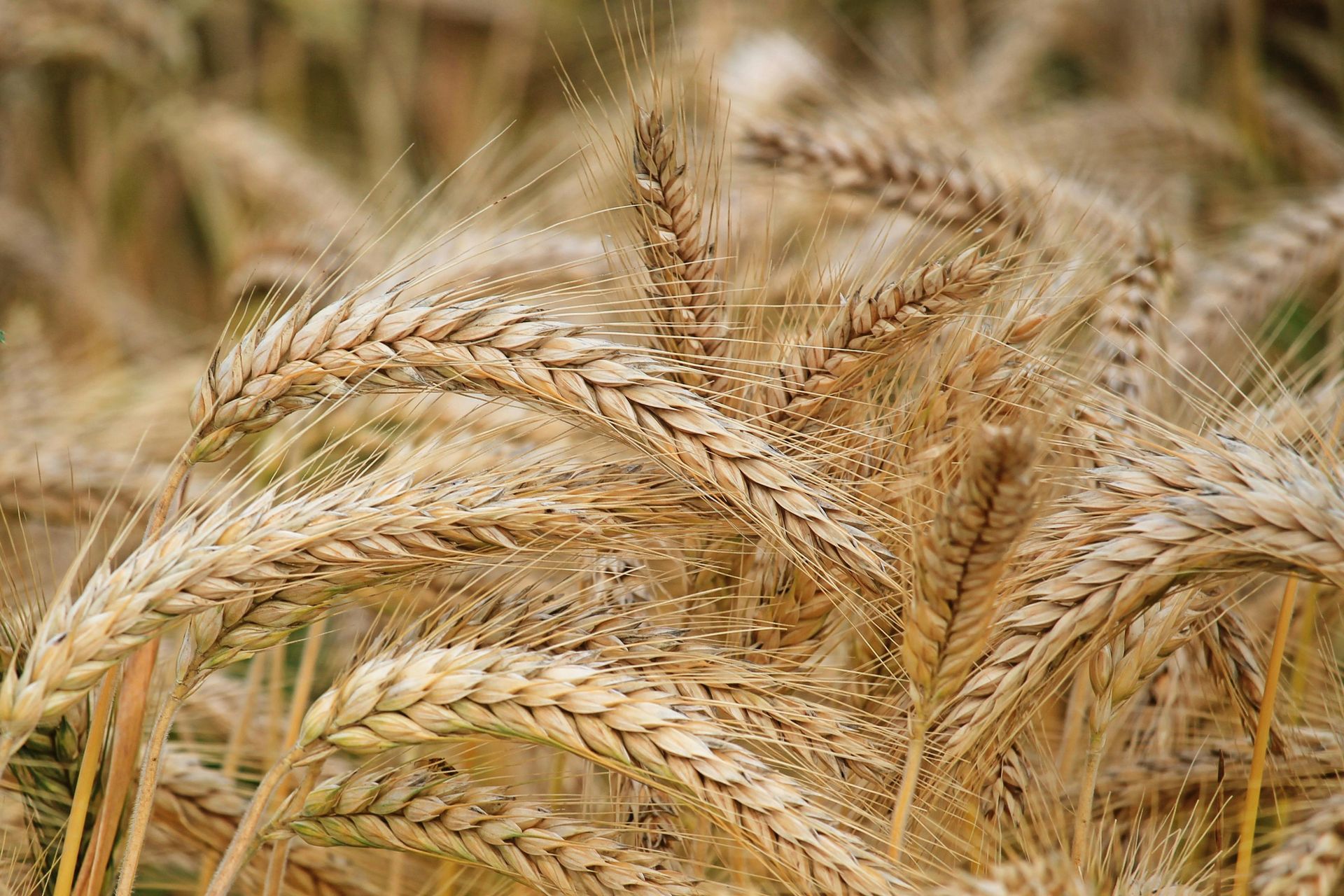
Healthy Soil Drives Higher Yields

Cassidy Million, Ph.D., VP Ag Science • July 25, 2025

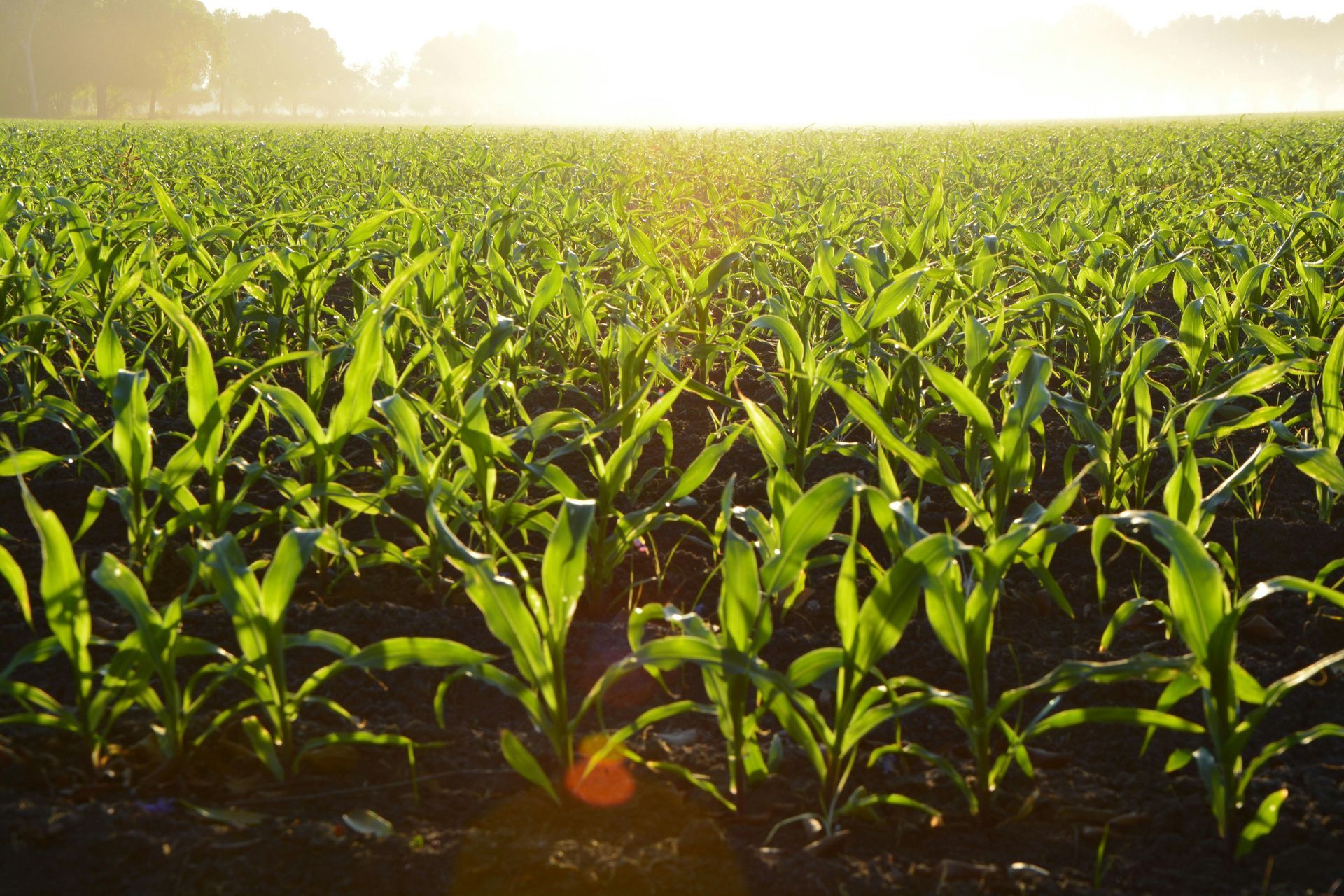
Optimizing soil health is vital for higher yields. Growers must support the physical, biological, and chemical properties of the soil in order to improve its structure, water productivity and storage, nutrient cycling, and overall crop productivity. Often overlooked, biological integrity or soil health, driven by active microbes, is the key to improve soil health and quality.


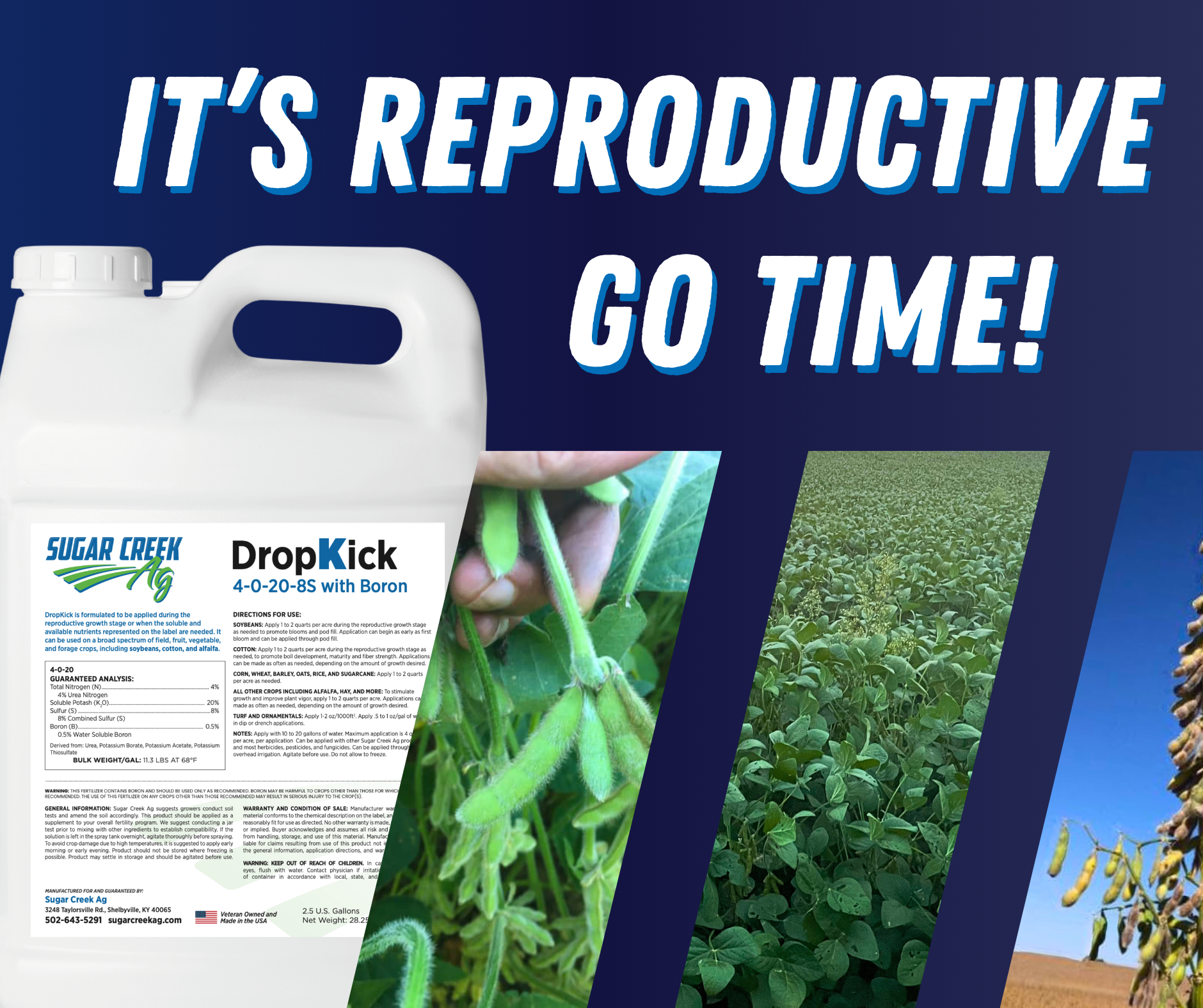
Soil microbes, particularly bacteria and fungi, play a crucial role in enhancing soil structure, water holding capacity and nutrient cycling. However, in many fields, around 75% of these microbes remain dormant or asleep. Adopting practices like reduced tillage, cover cropping, incorporating manures and compost, utilizing carbon products such as humic acid to improve soil structure and nutrient retention, or feeding the existing biology in the soil can aid in improving soil biology and soil health. Products like PhycoTerra®, a microalgae-based solution, provide a balanced nutritional boost, breaking microbes out of dormancy and revitalizing soil health.


Expert advice from retailers, certified crop advisors, or agronomists is essential. Similar to nutrient inputs, a holistic approach – diversifying inputs based on mode of action and environmental needs – increases success in the field.


By Sugar Creek Ag February 11, 2026
Ray and Stephanie Tucker and their son Nathan farm 5000 acres in north central Kentucky, an 8th generation farm family.
By Sugar Creek Ag January 29, 2026
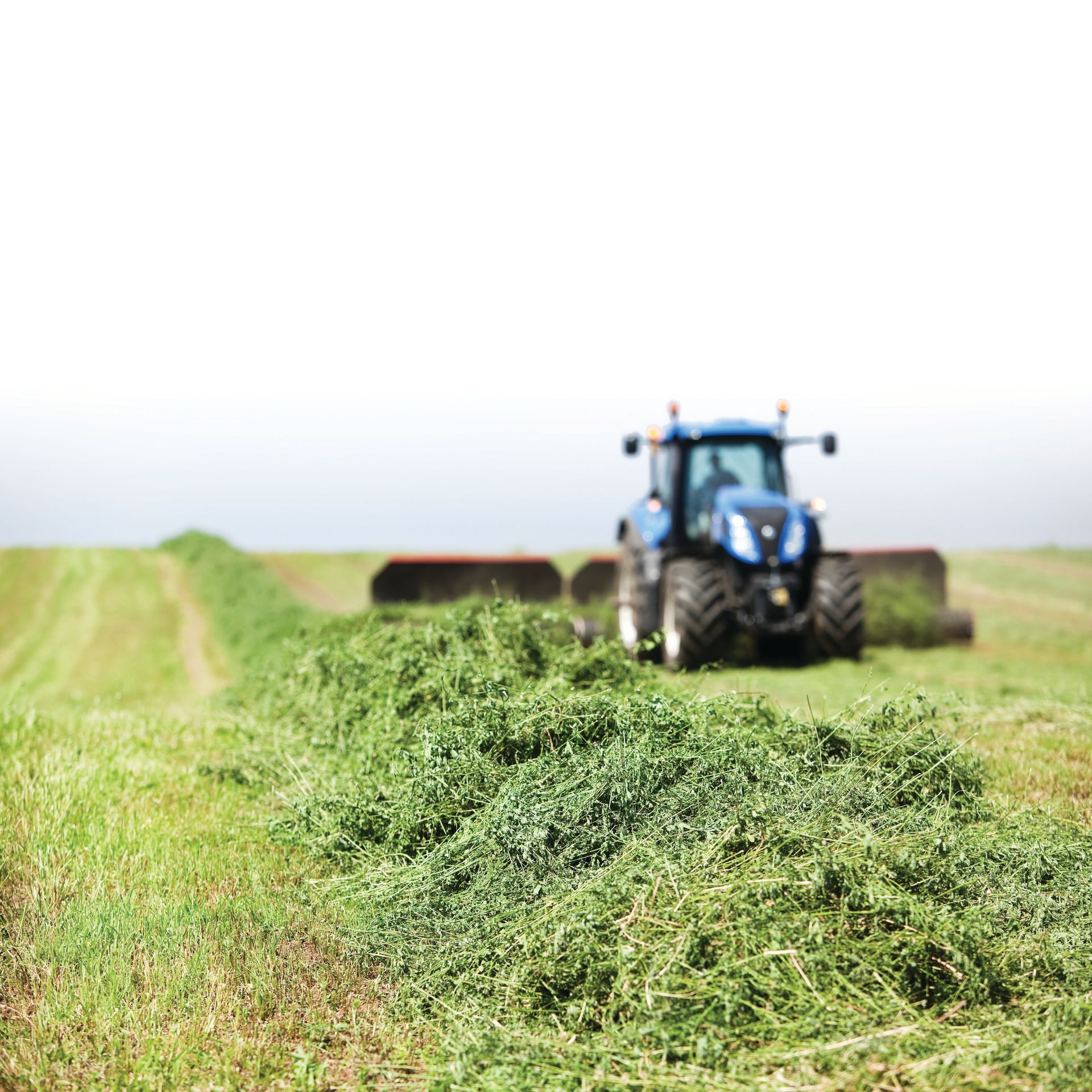
When it comes to grass hay and pasture production, early-season management sets the tone for the entire year. What happens at green-up influences stand density, forage response, nutrient efficiency, and ultimately how much you can get out of every acre. Building a strong forage program isn’t about chasing a single pass or product. It’s about supporting soil function, nutrient availability, and plant health from the start. If soil conditions or nutrient availability limit growth at green-up, those challenges can carry through the rest of the season and impact both yield and forage quality.  That’s why many hay and pasture growers focus on programs that support early nutrient efficiency and soil function — not fertilizer alone. In many hay and pasture systems, early fertility focuses heavily on nitrogen to drive growth. While nitrogen can increase biomass, it doesn’t always improve forage quality or feed value. Bigger plants don’t automatically mean better hay. In some cases, bulk without balance can lead to more waste and less efficient utilization.
By Sugar Creek Ag January 28, 2026
A crop may still require calcium even when soil pH is within the optimal range because soil pH alone does not indicate how much calcium is actually available to plants or how effectively it is taken up. While pH reflects soil acidity or alkalinity, it does not measure exchangeable calcium levels.
Show More